Childhood Trauma Affects Marriage: Your Relationship May Be Revealing Old Wounds
Learn how attachment, childhood experiences, and trauma shape intimacy, communication, and connection in marriage.
How Childhood Trauma Affects Marriage
If you've ever found yourself thinking, Why do we keep having the same fight? Why do I feel so alone in my marriage? Why do I react so strongly to things that seem small? you're not alone.
Many people assume marriage problems begin with marriage itself. In my experience as a trauma therapist, that's rarely the whole story.
One phrase I often use with clients is this:
Marriage is the sun on our sunburn.
The sun didn't cause the sunburn. It simply exposed what was already there.
Marriage works the same way. It doesn't create our deepest wounds. It shines a light on them.
Many people come to trauma therapy believing their spouse is the problem. While relationship struggles are very real, I've found that many conflicts have roots that go much deeper than the present moment. The way we love, trust, communicate, set boundaries, and respond to conflict is often shaped long before we ever say, "I do."
Understanding how childhood trauma affects marriage isn't about blaming your parents or your spouse. It's about understanding your story so you can create a different future.
We Learn How to Love in Childhood
Long before we begin dating or get married, we are learning what relationships feel like.
Our earliest experiences teach us whether people are safe, whether our needs matter, and whether we can trust others. The first few years of life play a significant role in shaping our attachment style, which becomes the blueprint for how we connect in adult relationships.
The good news is that attachment isn't permanent.
Our brains are plastic. Nothing is set in stone. We can unlearn unhealthy patterns and relearn healthier ones. Secure attachment can be developed, and healing is possible.
One of the biggest misconceptions I hear is that childhood trauma only refers to abuse.
Childhood trauma can also include:
- Emotional neglect
- Emotionally immature parents
- Inconsistent caregiving
- Chronic criticism
- Growing up in an unpredictable home
- Becoming the caregiver instead of being cared for
- Never feeling emotionally safe
Many adults minimize these experiences because they compare themselves to someone who "had it worse."
I don't find comparison helpful.
Trauma isn't measured by how dramatic your childhood looked from the outside. It's measured by how those experiences continue to affect your life, your nervous system, and your relationships today.
How Childhood Trauma Shows Up in Marriage
Marriage doesn't create unhealthy relationship patterns.
Marriage reveals them.
When life becomes stressful, our nervous system often falls back on the coping strategies it learned in childhood. The very things that helped us survive growing up can become the things that create distance in marriage.
As a trauma therapist, I commonly see childhood trauma affect marriage through:
- Difficulty with emotional or physical intimacy
- Poor boundaries
- Controlling behaviors rooted in anxiety
- People-pleasing
- Self-abandonment
- Fear of conflict
- Emotional withdrawal
- Feeling lonely, even inside a loving marriage
- Taking responsibility for everyone else's emotions
- Feeling easily rejected or abandoned
These aren't character flaws.
They're survival strategies.
At one point in your life, these behaviors helped you adapt to your environment. The problem is that what helped you survive childhood may now be preventing you from fully connecting with your spouse.
A Story I See More Often Than You Might Think
One client came to counseling because she and her husband were navigating infertility.
She felt incredibly lonely.
She didn't feel supported by her spouse, her family, or her friends.
At first, it seemed like infertility was the entire issue.
As we spent time together, another story began to emerge.
She had grown up with emotionally immature parents. She learned early in life to become the caregiver, to ignore her own needs, and to take care of everyone else before herself.
Infertility wasn't creating these patterns.
It was exposing them.
Her loneliness in the present was awakening wounds she had carried since childhood.
Together, we completed EMDR intensives to heal childhood trauma while also making space for the grief and uncertainty of infertility.
Healing wasn't about pretending the pain didn't exist. We sat with it. We processed it. We honored it.
As therapy progressed, she learned healthier communication, stronger boundaries, practical coping skills, and how to recognize her own needs without guilt.
The infertility journey didn't suddenly become easy.
But she was no longer carrying today's pain and yesterday's wounds at the same time.
That changed how she experienced her marriage.
Love Alone Doesn't Heal Trauma
This is one of my strongest beliefs as a trauma therapist:
Love alone doesn't heal trauma. Healing trauma heals trauma.
A loving spouse can absolutely provide support, encouragement, and safety.
Those things matter.
But your spouse cannot reprocess traumatic memories or calm a nervous system that has spent years living in survival mode.
This is one reason couples often find themselves having the same argument over and over again.
They're trying to solve a trauma response with communication alone.
Communication skills matter.
Marriage counseling can be incredibly helpful.
But sometimes individual trauma therapy is what finally allows those relationship skills to take root because the nervous system no longer has to stay on high alert.
Looking Back Helps Us Move Forward
People often worry that talking about childhood means staying stuck in the past.
I believe the opposite is true.
Looking back helps us move forward.
Healing isn't about blaming your parents.
It's about understanding how your story shaped you so you can choose a different future.
Generational trauma is real.
Children often learn relationship patterns simply by watching the adults around them.
The encouraging news is that generational healing is real, too.
Because our brains are capable of change, we can interrupt unhealthy cycles and build healthier relationships for ourselves, our marriages, and future generations.
You always have choices.
You are never stuck.
A Christian Perspective on Healing
As a Christian trauma therapist, I've watched many people wrestle spiritually as they begin healing from childhood trauma.
Sometimes they believe their struggle means they don't have enough faith.
I don't think that's usually the issue.
More often, it isn't a lack of faith.
It's fear.
Fear of remembering.
Fear of grieving.
Fear of how painful healing might be.
I believe God is a good God.
We are often poor judges of what is fair because we only see one chapter of the story. God sees the whole story. He is orchestrating plans on a different plane than we are experiencing.
That doesn't remove the pain.
But it reminds us that our pain is not pointless and our healing is never outside of His care.
You Were Never Meant to Carry This Alone
One of the greatest lies trauma tells us is that we have to figure everything out on our own.
We don't.
We were created for connection.
Healing happens in safe relationships.
The counseling relationship offers something unique. It is an unbiased relationship with no strings attached. It is a place where you can tell the truth, process your story, grieve what was lost, and learn healthier ways of relating to yourself and the people you love.
We need to keep our lives peopled.
Allow your burdens to be supported.
You don't have to carry them alone.
Healing Childhood Trauma Can Strengthen Your Marriage
If you recognize yourself in this article, I want you to know there is hope.
Your marriage may be revealing wounds from your past, but those wounds do not have to define your future.
Through trauma therapy and EMDR, it's possible to heal childhood trauma, develop secure attachment, build healthier boundaries, communicate more honestly, experience deeper intimacy, and find greater peace within yourself and your relationships.
Healing won't make your marriage perfect.
But it can help you respond instead of react, replace survival with connection, and experience the kind of relationship you were created for.
If you're looking for trauma therapy in Houston or virtually anywhere in Texas, I'd be honored to walk alongside you. Healing is possible, and you don't have to walk that journey alone.
SHARE THIS POST:
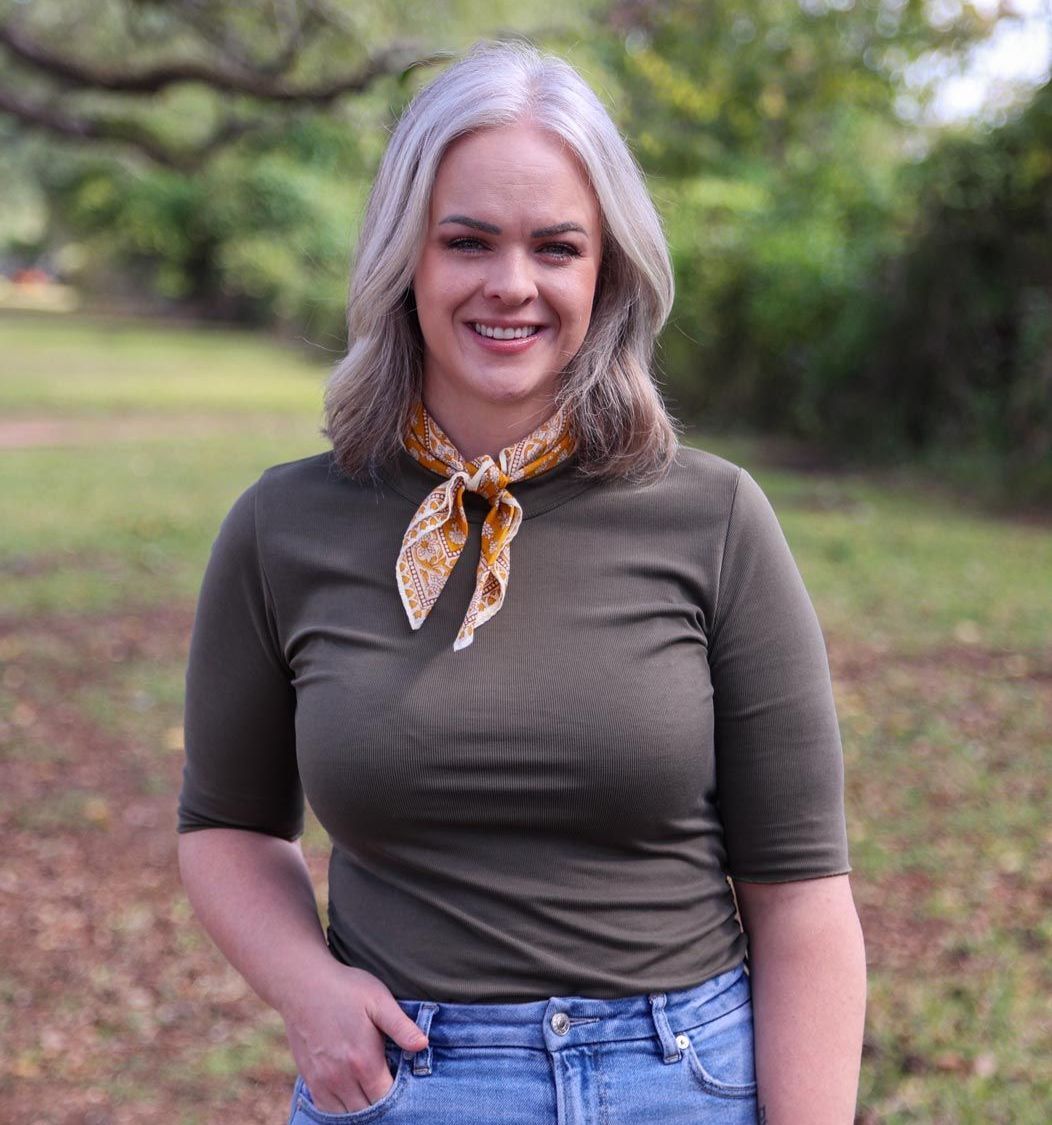
Charlotte Almeida
— Licensed Professional Counselor
At Charlotte Almeida Counseling, we are dedicated to providing compassionate, client-centered therapy to help individuals, couples, and families overcome life's challenges. Through EMDR, trauma-focused therapy, and relational techniques, we guide clients on their journey toward healing, growth, and lasting change.
Our Recent Post:

Break Free from the Past and Embrace Healing
Book your free consultation now and discover the support you deserve.