
How Do I Know If I Need Trauma Therapy? A Therapist Explains
Is Your Past still Affecting Your Present?
How do I know if I need trauma therapy?
Many people ask this question after they’ve been struggling for a long time but still can’t quite explain why. They may describe anxiety, burnout, relationship problems, emotional overwhelm, or feeling like something is “off,” even if life looks fine on the outside.
One of the most important things to understand is this: trauma does not always look dramatic. And needing trauma therapy is not about deciding whether your experience was “bad enough.”
In my clinical experience, trauma is not defined by comparison. Someone will always have had it better, and someone will always have had it worse. Healing begins when we stop comparing experiences and start paying attention to how the past is still showing up in the present.
Signs you may need trauma therapy
In my work with clients, there are a few patterns that come up again and again when trauma is part of the picture. Many people do not initially connect these symptoms to trauma, especially if they have been functioning, working, parenting, or maintaining relationships.
Common signs include:
- Flashbacks or intrusive memories of distressing events
- Nightmares related to past experiences
- Difficulty sleeping or staying asleep
- Changes in appetite or eating patterns
- Mood swings, irritability, or emotional reactivity
- Emotional numbness or feeling disconnected from yourself
- Feeling constantly on edge or unsafe without a clear reason
- Difficulty in close relationships, especially intimate relationships
- Repeating painful relationship patterns even when you “know better”
Often, clients come in saying they have anxiety or depression. As we begin to explore their internal world more deeply, it becomes clear that their nervous system is carrying unprocessed experiences that have never been fully integrated.
The biggest mistake people make when deciding if they need trauma therapy
One of the most common mistakes I see is minimizing experiences because they don’t fit a certain definition of trauma.
Many people assume trauma only applies to extreme events like abuse, combat, or catastrophic incidents. Others believe they should be able to “just get over it” with time.
In reality, time alone does not heal trauma.
Unprocessed experiences do not simply fade. They are stored in the nervous system and continue to show up in emotional reactions, relationship patterns, and physical symptoms until they are addressed and processed in a different way.
Healing requires engagement, not avoidance.
Why comparing trauma keeps people stuck
A common belief I challenge with clients is the idea that their experience doesn’t “count” because someone else had it worse.
Trauma is a personal experience. Two people can go through similar events and have very different nervous system responses based on history, attachment, support, and developmental timing.
When people compare their pain to others, they often delay getting help. They stay stuck in silence, shame, or self-doubt while their symptoms continue to impact their daily life.
From a clinical perspective, what matters most is not the event itself, but how the nervous system has adapted to it.
How childhood experiences show up in adult relationships
In my practice, I often begin by looking at current relationship patterns, especially intimate relationships, and then gently trace those patterns back to early attachment experiences.
When someone is struggling in a difficult or painful intimate relationship, I often explore what their earliest relationships with caregivers looked like. This is where attachment wounds often begin.
Some of the most common patterns I see include:
- Difficulty trusting others or feeling safe in closeness
- People-pleasing or codependent patterns in relationships
- Fear of abandonment or rejection
- Choosing emotionally unavailable or inconsistent partners
- Difficulty setting boundaries or saying no
- Feeling responsible for other people’s emotions
From my clinical perspective, codependency is not a personality flaw. It is often a survival adaptation that develops in response to childhood emotional neglect, inconsistency, or unmet attachment needs.
These patterns made sense at the time they developed. The nervous system learned how to stay connected, safe, or emotionally regulated in environments that were not always secure.
The challenge is that these same strategies often stop working in adult relationships.
What actually helps trauma heal
In my work as a therapist, I do not believe insight alone is enough for trauma healing. People can understand their patterns logically and still feel emotionally stuck.
This is where evidence-based trauma treatment becomes essential.
I use EMDR therapy to help clients reprocess and desensitize unintegrated traumatic memories. When memories are not fully processed, they can continue to feel emotionally present even when they are in the past.
EMDR helps the brain and nervous system do what it could not do during the original experience: fully process it, store it adaptively, and reduce the emotional intensity tied to it.
I also offer EMDR intensive therapy for clients who want to focus more deeply and move through the healing process in a more concentrated format.
A clinical perspective on healing and responsibility
One of the most important shifts I work on with clients is moving from survival mode into intentional living.
You matter, and you make sense.
You do not have to stay in survival mode, but you can learn to thrive. You can learn to leave what is no longer serving you in the past. You are never stuck, even when it feels like you are.
Healing is not about blame. It is about responsibility in the present moment.
As adults, we are responsible for making choices that support our emotional safety, our boundaries, and our overall well-being.
This often includes resisting numbing, avoidance, and patterns that disconnect us from ourselves and others.
What I want clients to understand about healing
In my work, I often say that you were not created to do life alone.
Many people cope by pushing down feelings, avoiding memories, or staying busy enough not to feel. While these strategies may have helped at one point, they often keep people stuck in cycles of disconnection.
Trauma therapy is about learning how to safely feel again, rather than shutting down or escaping.
You are not responsible for what happened to you. But you are responsible for your healing.
My goal as a therapist is to work myself out of a job. I want clients to reach a place where they no longer need therapy because they have learned how to:
- Feel safe in their own body
- Recognize and regulate their emotional responses
- Set and maintain healthy boundaries
- Stay present instead of stuck in the past
- Build and sustain healthy, connected relationships
Final thoughts
If you are asking yourself whether you need trauma therapy, the most important question is not whether your experience was “enough.”
The more important question is: Is your past still impacting your present?
If the answer is yes, trauma therapy may be an important next step in learning how to move from survival into a more grounded, connected, and present life.
SHARE THIS POST:
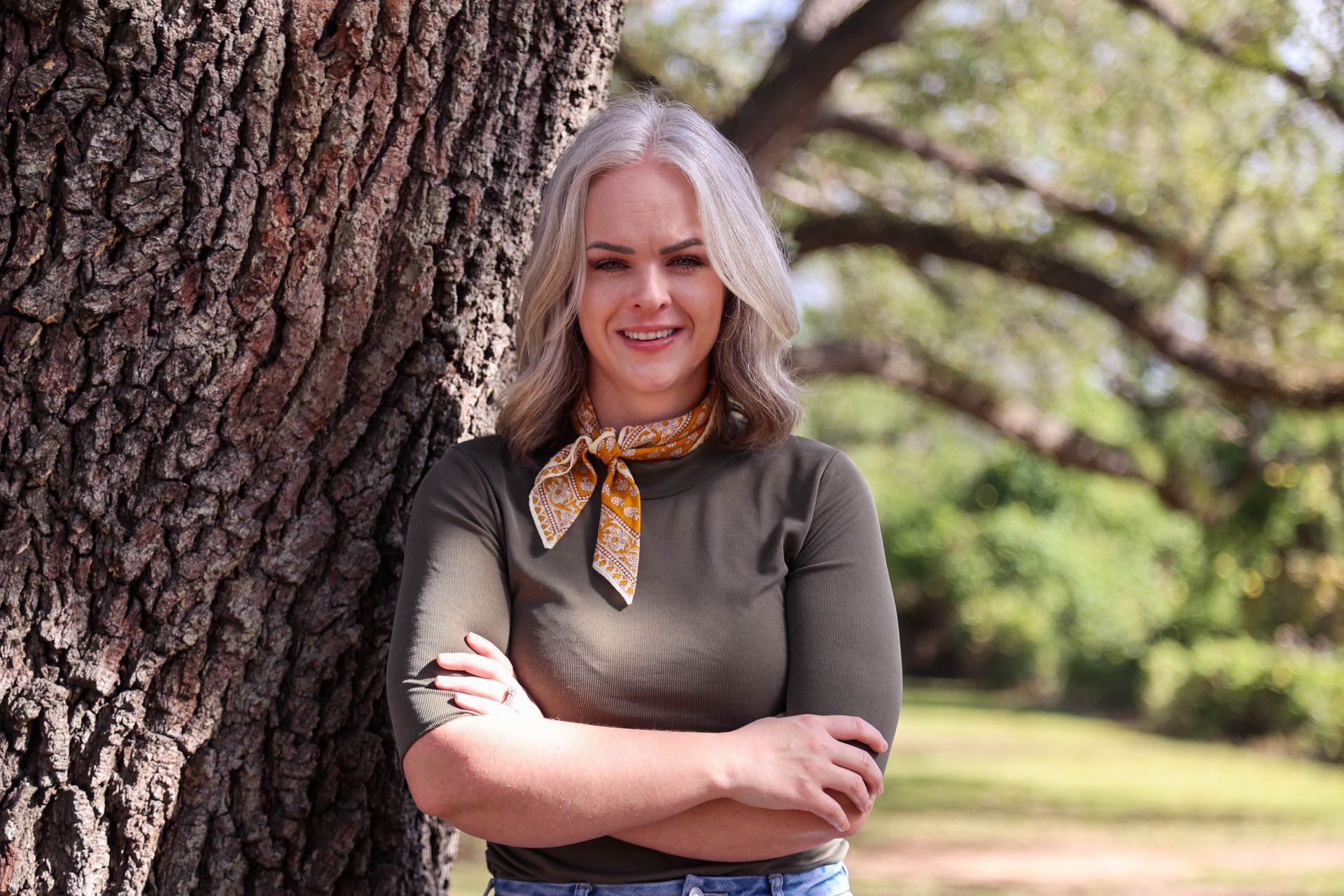
Charlotte Almeida
— Licensed Professional Counselor
At Charlotte Almeida Counseling, we are dedicated to providing compassionate, client-centered therapy to help individuals, couples, and families overcome life's challenges. Through EMDR, trauma-focused therapy, and relational techniques, we guide clients on their journey toward healing, growth, and lasting change.
Our Recent Post:





Break Free from the Past and Embrace Healing
Book your free consultation now and discover the support you deserve.