Healing from Church Hurt: A Faith-Based Therapist in Houston on Finding Your Way Back
Church hurt can leave you questioning Christians, the church, and even God. Learn how to process the pain, rebuild trust, set boundaries, and separate who God is from the people who hurt you.

Church is supposed to be a place where you feel safe, known, and pointed toward God. So when the people you trusted in the church hurt you, the wound can run deep.
Maybe you were judged, rejected, or excluded. Maybe Scripture was used to shame or control you. Perhaps a church leader mishandled abuse, mental health concerns, marriage problems, divorce, infertility, or grief. You may have been pressured to forgive before you were ready or made to believe that questioning leadership meant questioning God.
Sometimes church hurt goes beyond disappointment and becomes a wound that affects your relationships, your nervous system, and even how you see God.
As a faith-based therapist offering church hurt therapy in Houston, TX, I believe healing starts by making room for what actually happened—not minimizing it, explaining it away, or rushing you back into church.
Church Hurt Can Change How You See God
When someone represents God to us, our experiences with that person can begin influencing how we experience God Himself.
If a pastor controlled you, God may begin to feel controlling.
If Christians rejected you, you may wonder whether God rejects you too.
If someone used Scripture to shame you, opening your Bible may suddenly bring anxiety instead of comfort.
You might stop praying. You may feel angry with God and then guilty for being angry. Walking into another church might make your body tense even though logically you know you're in a different building with different people.
You may even think, If these are God's people, why would I ever want to go back?
These reactions deserve curiosity and compassion.
Please Don't Rush Someone Through Church Hurt
Christians sometimes respond to church hurt with well-intended statements that actually make the wound deeper.
Churches are full of imperfect people.
You just need to forgive.
Don't let one bad church keep you from God.
You need to find another church.
There may be pieces of truth somewhere in those statements, but timing matters.
If someone tells you they've been deeply hurt, the first response doesn't need to be correction.
Sometimes they need someone to listen.
Christian counseling should not use biblical truth to bypass pain. Before we start talking about what someone "should" do next, we need to understand what happened and how it affected them.
God Can Handle Your Anger
You don't have to clean up your emotions before bringing them to God.
God can handle your anger.
He can handle your questions.
He can handle grief, disappointment, doubt, and confusion.
Lament and wrestling with God can actually be expressions of faith because you're still bringing the pain to Him.
Scripture gives us examples of people crying out to God, questioning Him, grieving, and asking where He is in their suffering. We don't have to pretend everything is okay in order to be faithful.
Healing from church hurt doesn't require saying, It wasn't that bad.
Maybe it was that bad.
We can acknowledge what happened while continuing to seek God in the middle of it.
God Is Not the Christians Who Hurt You
This is one of the most important distinctions I work on with Christian clients:
God is not the Christians who hurt you.
People can represent Him poorly.
Pastors can make mistakes. Leaders can misuse authority. Christians can behave in ways that are deeply inconsistent with the God they claim to follow.
Those actions matter, and accountability matters.
But the failure of someone who represented God does not change the character of God.
Part of healing may involve slowly separating what they did from who God is.
That process doesn't have to happen overnight.
Boundaries Can Be Biblical
Healing doesn't necessarily mean restoring the same access to the people who hurt you.
Boundaries can be biblical.
Forgiveness, trust, reconciliation, and access are not all the same thing. Rebuilding trust takes time, and in some relationships, restoring the previous level of closeness may not be healthy or appropriate.
You can love someone and have boundaries.
You can forgive and still use wisdom.
You can be a Christian and acknowledge that someone's behavior was harmful.
And you can take your time deciding what involvement with a church community looks like moving forward.
What Church Hurt Therapy Can Look Like
If someone comes into my Houston office and tells me they're afraid to trust Christians again, my goal isn't to convince them to join another church.
First, we get curious.
What happened?
What did you believe about yourself because of it?
What did you begin believing about Christians?
What did you begin believing about God?
And what happens in your body today when you're reminded of the experience?
Depending on the person, we may first focus on stabilization and helping the nervous system experience safety again.
I also use EMDR and Internal Family Systems (IFS) when appropriate to help clients work through trauma, painful memories, attachment wounds, and protective responses connected to church hurt.
There may be a part of you saying, I will never trust another Christian again.
Rather than judging that response, we can become curious about it.
That part may have learned that avoiding Christians is the safest way to prevent being hurt again.
It makes sense.
But eventually we can also ask whether a strategy that once protected you is now keeping you isolated.
Not All Christians Are the Christians Who Hurt You
After being hurt, our brains naturally try to prevent the same thing from happening again.
If one Christian community caused significant pain, your nervous system may begin treating all Christian communities as potential threats.
That's self-protection.
And we don't need to shame it.
But healing may eventually mean gently challenging the belief that because some Christians were unsafe, all Christians will be unsafe.
You don't have to trust everyone.
You don't have to ignore red flags.
You don't have to rush.
But you can slowly learn to discern between people who are unsafe and people who have demonstrated that they're trustworthy.
More God, Not Less God
When Christians have hurt you, separating yourself from unsafe people may sometimes be necessary.
But I don't believe less God is the answer to wounds caused by people who claimed to represent Him.
I believe the answer is more God.
Not more religious performance.
Not more pretending.
Not forcing yourself into a church before you're ready.
More of the actual God who can handle your anger, sit with your grief, receive your questions, and remain present while you wrestle.
The people who hurt you don't get to define who God is.
Finding Church Hurt Therapy in Houston, TX
Healing from church hurt isn't about getting you back into a church building as quickly as possible.
It's about helping you process what happened, understand how it affected you, establish healthy boundaries, rebuild your ability to trust, and begin separating the character of God from the behavior of people who represented Him poorly.
If you're searching for church hurt therapy in Houston, TX, I work with clients in person at my Houston office, including clients from Memorial, Memorial Villages, Spring Branch, Greater Uptown, the Galleria, and surrounding Houston communities. I also provide virtual therapy throughout Texas.
You can take your time.
You can ask questions.
You can grieve what happened.
And you can discover that finding your way back doesn't have to mean going back to what hurt you.
If you are seeking church hurt therapy or Christian counseling in Houston, Texas, I would love to connect. I offer Christian counseling, EMDR, IFS, and trauma therapy in person at my Houston office and virtually throughout Texas. Schedule a free 15-minute consultation to get started.
SHARE THIS POST:
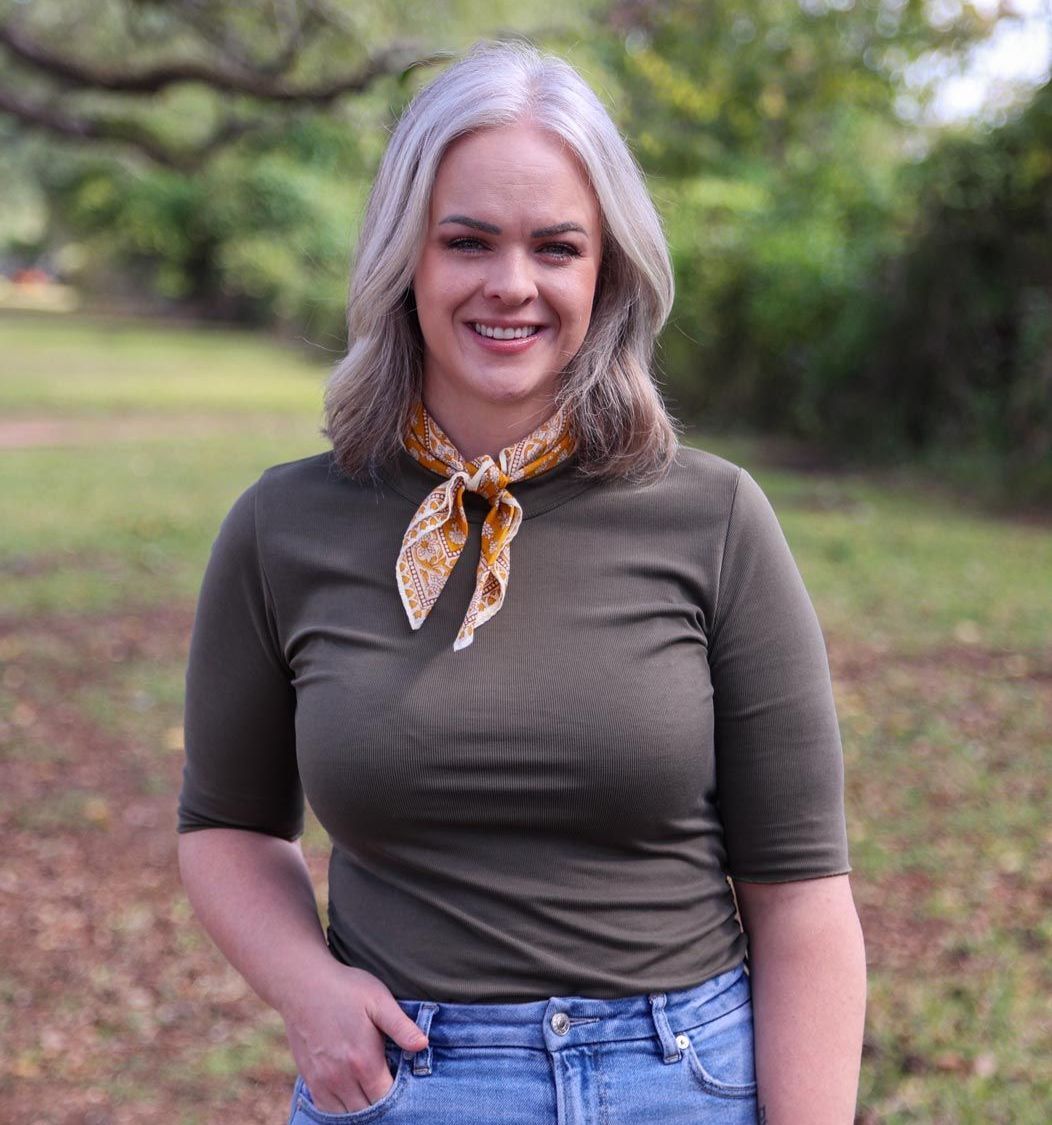
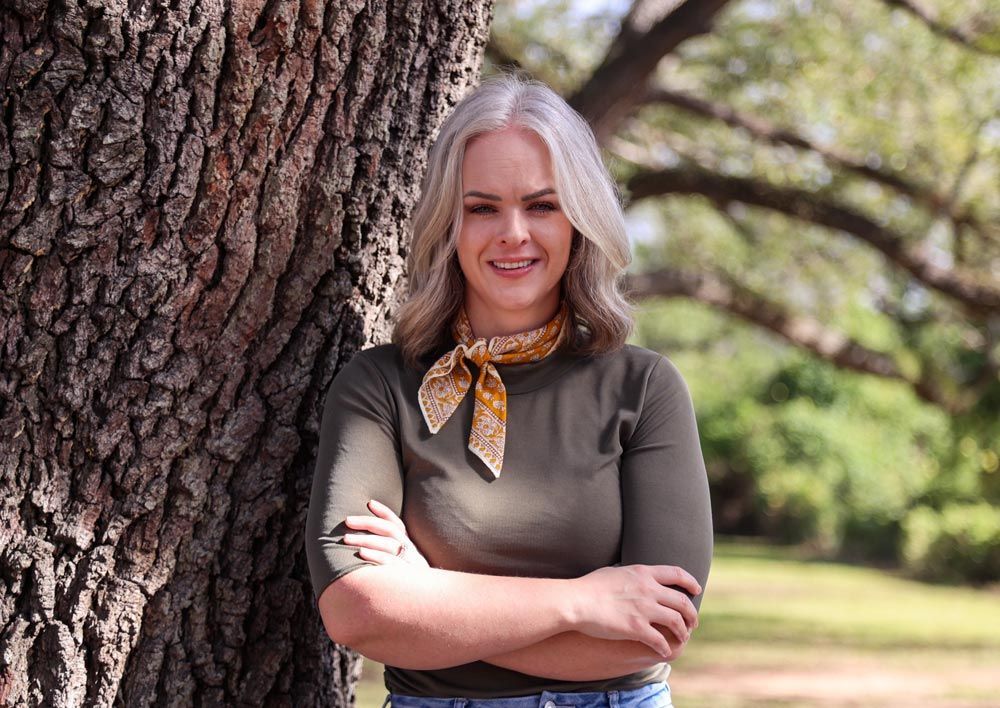
Charlotte Almeida
— Licensed Professional Counselor
At Charlotte Almeida Counseling, we are dedicated to providing compassionate, client-centered therapy to help individuals, couples, and families overcome life's challenges. Through EMDR, trauma-focused therapy, and relational techniques, we guide clients on their journey toward healing, growth, and lasting change.
Our Recent Post:




Break Free from the Past and Embrace Healing
Book your free consultation now and discover the support you deserve.